
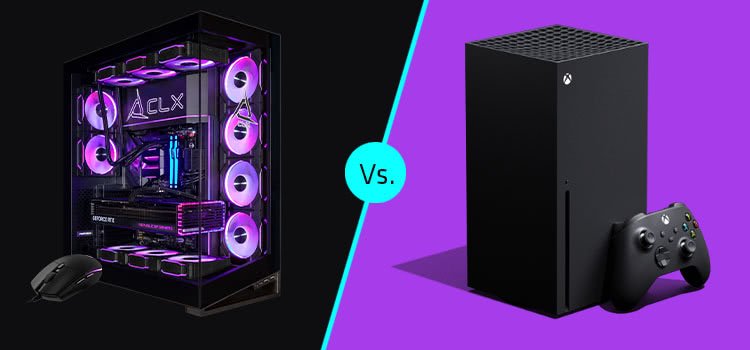
Gaming has evolved into a massive industry, captivating millions worldwide with immersive experiences and cutting-edge technology. At the heart of this world lie two primary platforms: PC gaming and console gaming. Each offers unique advantages, catering to different preferences and lifestyles. Whether you’re a casual player or a hardcore enthusiast, understanding these options can enhance your gaming journey. For those seeking comprehensive resources, platforms like EuroGamersOnline provide insights into the latest trends and reviews. This article delves into the nuances of both, helping you decide which might suit you best.
The debate between PC and console gaming often boils down to flexibility versus simplicity. PCs allow for customization, while consoles focus on plug-and-play convenience. Both have loyal followings, with communities sharing tips and strategies online. As graphics and processing power advance, the lines between them blur, but distinct differences remain. Exploring these can reveal why some gamers swear by one over the other.
The Rise of PC Gaming
PC gaming traces its roots back to the early days of personal computers, where simple text-based adventures gave way to complex worlds. Today, it’s a powerhouse driven by high-end hardware like powerful GPUs and CPUs. Gamers can build or upgrade their rigs to achieve stunning visuals and performance. This modularity appeals to tech-savvy users who enjoy tweaking settings for optimal play.
One key aspect is the vast library of games available on platforms like Steam and Epic Games Store. From indie titles to AAA blockbusters, the selection is enormous. Multiplayer experiences thrive here, with cross-platform play becoming more common. For in-depth guides on optimizing your setup, check out resources on EuroGamersOnline.com PC Gaming. These can help beginners navigate hardware choices effectively.
Advantages of PC Gaming
Customization stands out as a major perk in PC gaming. Players can select components to match their budget and needs, from entry-level builds to extravagant setups with RGB lighting and water cooling. This flexibility extends to software, where mods and user-generated content extend game lifespans indefinitely. Titles like Skyrim benefit immensely from community mods, transforming them into entirely new experiences.
Performance is another strong suit. High frame rates, ultra-high resolutions, and ray tracing elevate immersion. With the right hardware, games look and feel superior compared to standard console outputs. Additionally, PCs double as productivity machines, blending work and play seamlessly. Multitasking, such as streaming gameplay while chatting, is effortless on a capable system.
Challenges in PC Gaming
Despite its strengths, PC gaming isn’t without hurdles. The initial cost can be daunting, as building a competitive rig often exceeds console prices. Compatibility issues arise with hardware and software, requiring troubleshooting skills. Driver updates and optimization tweaks demand time, which not everyone has.
Technical glitches, like crashes or overheating, can frustrate users. Security concerns, including malware from downloads, add another layer of caution. For newcomers, the learning curve is steep, involving research on components and assembly. However, communities and forums offer support, making it manageable over time.
Evolution of Console Gaming
Consoles have come a long way since the Atari days, now featuring sleek designs and powerful internals. Brands like PlayStation, Xbox, and Nintendo dominate, each with exclusive titles that define their appeal. The focus is on accessibility, allowing anyone to jump in without technical know-how. Living room integration makes them ideal for family or social gaming sessions.
Modern consoles support 4K resolutions, HDR, and fast load times thanks to SSDs. Backward compatibility preserves libraries across generations. Online services like PlayStation Network and Xbox Live enhance connectivity with friends. For detailed explorations of these features, visit sections dedicated to EuroGamersOnline.com Console Gaming. They cover everything from setup to exclusive game recommendations.
Benefits of Console Gaming
Simplicity is the hallmark of console gaming. Plug in, insert a disc or download, and play—no assembly required. This user-friendly approach attracts a broad audience, including kids and non-techies. Exclusive games, such as The Last of Us or Halo, create must-have incentives for ownership.
Affordability shines through, with fixed prices and no need for constant upgrades. Controllers are optimized for comfort, reducing fatigue during long sessions. Multiplayer is straightforward, often with built-in voice chat and party systems. Consoles also serve as media hubs for streaming services like Netflix, adding value beyond gaming.
Drawbacks of Console Gaming
On the flip side, consoles lack the upgradeability of PCs. Once purchased, you’re locked into the hardware until the next generation. This can lead to outdated performance as games demand more power. Subscription fees for online play add ongoing costs.
Limited mod support means less customization, and game prices can be higher without frequent sales. Storage constraints force players to manage space carefully, deleting titles to make room for new ones. While convenient, the ecosystem feels more controlled compared to the open PC market.
Comparing Graphics and Performance
When pitting PC against console, graphics often take center stage. High-end PCs deliver superior visuals with higher resolutions and frame rates, supporting technologies like DLSS for smoother gameplay. Consoles, however, optimize for consistency, ensuring games run well on standardized hardware without tweaks.
Performance varies by title; some games shine on PC with mods, while console versions prioritize stability. Ray tracing and variable refresh rates give PCs an edge in realism, but consoles close the gap with updates. Ultimately, the choice depends on whether you value peak potential or reliable out-of-the-box quality.
Game Libraries and Exclusives
PC boasts an expansive library, including backward-compatible classics and indie gems. Platforms aggregate thousands of titles, with sales making them affordable. Cross-play bridges gaps with console friends.
Consoles counter with exclusives that define generations, like God of War or Super Mario. These titles often push hardware limits, creating unique experiences. While some exclusives eventually port to PC, the initial allure draws players to specific systems. Both platforms benefit from digital stores, but PCs offer more freedom in sourcing games.
Multiplayer and Community Aspects
Multiplayer thrives on both platforms, but approaches differ. PCs support massive online worlds with custom servers, fostering communities around games like Minecraft. Voice chat and streaming integrate easily via software.
Consoles emphasize couch co-op and seamless online matching. Features like achievements and leaderboards build camaraderie. Cross-platform play is increasing, uniting players regardless of hardware. Communities on forums and social media share strategies, enhancing the social side of gaming.
Cost Analysis Over Time
Initial investment favors consoles, often under $500 for a complete setup. Games and accessories add up, but no upgrades are needed for years. PCs start higher, potentially $1000+, but modular design allows incremental improvements, extending lifespan.
Long-term, PCs may save money through sales and free online play. Consoles require subscriptions, but bundle deals offset this. Energy consumption and maintenance factor in; PCs draw more power but offer versatility. Budgeting depends on usage intensity and preferences.
Portability and Setup
Consoles win in portability for some, like the Nintendo Switch’s hybrid mode. Traditional ones are stationary, easy to set up in living rooms. PCs range from desktops to laptops, offering mobility but requiring more configuration.
Setup time is minimal for consoles—just connect to TV and internet. PCs involve assembly or software installs, which can be rewarding for enthusiasts. Space considerations matter; bulky PC towers versus slim consoles. Choose based on your lifestyle and gaming environment.
Future Trends in Gaming
The future blends PC and console strengths through cloud gaming. Services like Xbox Cloud Gaming and GeForce Now allow streaming high-end titles on modest hardware. This democratizes access, reducing barriers.
VR and AR integrations promise immersive evolutions, with PCs leading in high-fidelity experiences. Consoles follow suit with accessories. Sustainability concerns push for energy-efficient designs. As AI enhances NPCs and graphics, both platforms will innovate, keeping the rivalry alive.
Choosing the Right Platform for You
Deciding between PC and console hinges on priorities. If customization and power matter, go PC. For ease and exclusives, consoles shine. Many gamers own both, enjoying the best of worlds.
Assess your budget, space, and gaming style. Try demos or borrow setups to test. Resources online can guide your choice, ensuring satisfaction. Whatever you pick, the joy of gaming remains universal.
Conclusion: Embracing Both Worlds
PC and console gaming each offer compelling paths into virtual realms. Rather than rivals, they complement each other, expanding options for all players. As technology advances, hybrids may emerge, but for now, appreciate their unique charms.
Dive into communities, experiment with titles, and find your niche. Gaming’s beauty lies in its diversity, welcoming everyone. Whether building a rig or unboxing a console, the adventure awaits.