
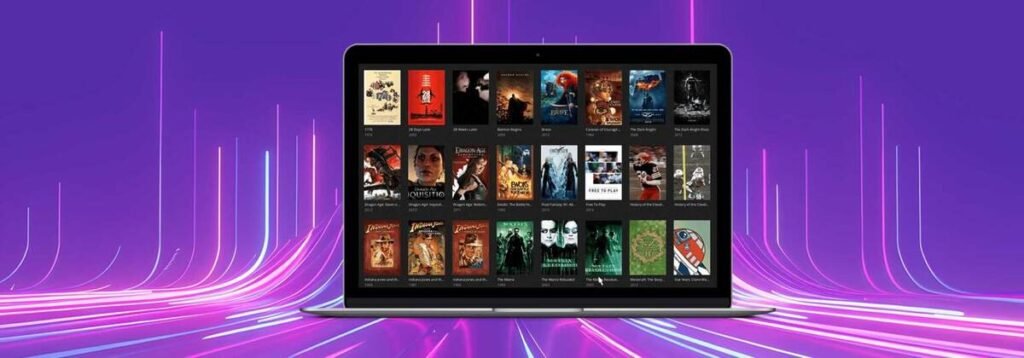
Streaming platforms let people watch movies, shows, and other videos over the internet without downloading files first. They send content in real time, so you can start viewing right away. Netflix stands out as a top example, serving millions of users around the world. It began as a DVD rental service but shifted to streaming in 2007. Today, it offers thousands of titles, from old classics to new originals. This change helped it grow fast, reaching over 300 million subscribers by 2025.
Streaming platforms like Netflix use smart tech to make watching easy and fun. They handle huge amounts of data to deliver smooth playback on phones, TVs, or computers. Understanding how they operate shows the mix of tech, content, and user focus that keeps them running well.
Netflix makes streaming simple for users, but a lot happens behind the screen. When you pick a show, the system checks your device, internet speed, and preferences. It then pulls the video from servers close to you. This setup cuts down on wait times and keeps quality high. Streaming platforms rely on this quick delivery to keep viewers happy. Without it, buffering or low-quality video could drive people away. Netflix invests in its own network to make sure content reaches you fast, no matter where you live. This guide breaks down each part, using Netflix as the main case to show how these systems function in real life.
The Basics of Video Streaming
Encoding and Compression
Encoding turns raw video files into formats that devices can play. Netflix starts with high-quality master files from studios or its own productions. These files get compressed to shrink their size while keeping good picture quality. Compression removes extra data that the eye can’t notice much, like slight color changes in dark areas. Netflix uses advanced methods to create multiple versions of each title. For example, one version might be for 4K TVs, another for mobile phones with slow connections. This process happens on powerful servers in the cloud. It ensures videos load quickly and adapt to your setup. Without encoding, files would be too big, causing long load times or high data use.
Netflix optimizes encoding for each title based on its content. A fast-action movie might need higher bitrates to avoid blur, while a talk show can use lower ones. This per-title approach saves up to 40% on bandwidth. The system adds digital rights management during encoding to protect against copying. Encrypted files only play on approved devices with the right keys. Encoding also splits videos into small chunks, usually a few seconds each. This allows the player to switch quality levels mid-stream if your internet changes. Overall, encoding makes streaming efficient and secure, helping platforms like Netflix serve billions of hours of content each year.
Adaptive Bitrate Streaming
Adaptive bitrate streaming adjusts video quality based on your internet speed. Netflix’s player checks your connection every few seconds. If it’s strong, you get high-definition video. If it slows, the system drops to a lower quality to avoid pauses. This happens without you noticing much, as the change is smooth. The video comes in chunks, each at different bitrates. Bitrate means how much data per second—higher means better quality but more data needed. Netflix prepares up to dozens of bitrate levels for each title. Your device picks the best one on the fly. This tech cuts buffering by 90% compared to fixed quality streaming.
In practice, adaptive streaming uses a manifest file that lists all available chunks and their qualities. When you start watching, the player downloads the manifest first. It then requests chunks from the server, starting low to build a buffer fast. As the buffer grows, it ramps up quality. If congestion hits, it switches down quickly. Netflix tests this on various devices to ensure it works well. For users on mobile data, it saves costs by not wasting high-bitrate chunks on weak signals. This method makes streaming platforms reliable in different network conditions, from home Wi-Fi to public spots.
Content Delivery System
Netflix’s Open Connect CDN
Open Connect is Netflix’s own content delivery network, a system of servers that store and send videos to users. It places these servers inside internet providers’ networks around the world. This setup brings content closer to you, reducing travel time for data. Netflix has over 18,000 servers in more than 6,000 locations. They fill up with popular shows during off-peak hours, like overnight. When you request a video, the system picks the nearest server with the file. This cuts latency, the delay before playback starts. Open Connect handles most of Netflix’s traffic, making it faster than using general CDNs.
The network uses custom hardware running FreeBSD and Nginx software for efficient delivery. Servers predict what content to store based on local viewing trends. For example, a hit show in your area gets priority. Netflix shares Open Connect with providers for free, which helps reduce their costs too. This partnership ensures smooth streaming even during peak times, like evenings. Without such a CDN, videos would route through crowded internet paths, causing more buffering. Open Connect shows how streaming platforms invest in infrastructure to handle global demand.
How Content Gets Delivered
When you hit play, your Netflix app sends a request to backend servers on AWS. These servers check your account and location. They then send back a list of 10 nearby Open Connect servers that have the video. Your device tests connections to find the fastest one. Once connected, it starts downloading video chunks. The process uses HTTPS for security. If the connection drops, the player switches to another server without stopping playback. This failover keeps viewing uninterrupted. Delivery also includes subtitles and audio tracks in your language.
The backend uses your IP address to pick servers close by. It factors in load—busy servers get skipped. Videos stream in real time, but a small buffer builds up to handle hiccups. Netflix monitors delivery quality, adjusting future choices based on performance. For live events, the system adds extra steps like real-time encoding. But for regular shows, pre-encoded files make delivery quick. This end-to-end flow ensures streaming platforms like Netflix provide consistent experiences worldwide, even with varying internet quality.
User Interface and Personalization
The Recommendation System
Netflix’s recommendation system uses machine learning to suggest titles you might like. It looks at your watch history, ratings, and searches. It also compares you to similar users. For instance, if people who watched a comedy you liked also enjoyed another, it suggests that one. The system ranks suggestions on your homepage in rows like “Top Picks for You.” Each row focuses on a theme, such as genres or actors. Algorithms update in real time as you interact. Netflix avoids using age or gender, focusing on behavior instead. This helps discover new content among thousands of options.
The system combines collaborative filtering, where it finds patterns across users, with content-based methods that analyze title features like plot or cast. Deep learning models process vast data to predict enjoyment scores. For new users, it starts with popular items or asks for initial likes. Over time, recent views weigh more. Netflix tests changes through A/B groups to see what boosts watch time. This personalization drives 80% of views, reducing the chance you’ll cancel. Streaming platforms use similar systems to keep users engaged longer.
User Profiles and Interface
Netflix allows multiple profiles per account, each with its own recommendations. This keeps suggestions personal, like kid-friendly ones for children. The interface is clean, with big thumbnails and easy navigation. Search uses autocomplete and ranks results by relevance to your tastes. Playback controls let you skip intros or adjust speed. The app adapts to your device—touch on phones, remote on TVs. Profiles store watch progress, so you can resume across gadgets. This setup makes switching seamless.
Interface design focuses on quick decisions. Artwork for titles changes based on your preferences; if you like an actor, their image shows up. Rows scroll endlessly, but the system limits them to avoid overload. Netflix gathers feedback through thumbs up/down to refine algorithms. For families, parental controls limit content by rating. This user-focused design helps streaming platforms stand out, as easy access encourages more viewing. Profiles also help track individual habits, improving overall service quality.
Backend Architecture
Microservices Approach
Netflix runs on a microservices architecture, breaking the system into small, independent parts. Each handles one job, like user login or video search. There are about 700 of these services on AWS. They talk through APIs, making updates easy without breaking everything. If one fails, others keep working. This setup scales well—add more servers during busy times. Tools like Zuul route requests, while Hystrix prevents overloads. Microservices let teams work separately, speeding development. Streaming platforms adopt this for reliability in handling millions of users.
Fault tolerance is key; services use backups across AWS zones. Chaos engineering tests by causing failures on purpose. Data flows through systems like Kafka for real-time processing. Databases vary: Cassandra for user data, S3 for storage. This flexibility fits different needs. Netflix deploys changes hundreds of times a day, using canary tests on small groups first. The approach ensures quick fixes and new features, like adding games. It sets a standard for how streaming platforms build scalable backends.
Cloud Infrastructure and Data Management
Netflix uses AWS for most computing, storing videos on S3 and running services in the cloud. This lets it grow without owning data centers. For live events, it adds tools like MediaLive for encoding. Data management involves collecting billions of events daily, like play clicks or pauses. Tools analyze this for insights, feeding recommendations. Security includes encryption and access controls. The infrastructure handles peaks, like new season releases, by auto-scaling.
Monitoring watches everything in real time, alerting on issues. Backups and redundancies prevent downtime. Netflix’s setup separates control (user interactions) from data plane (streaming). This optimizes each part. Streaming platforms benefit from cloud flexibility, paying only for used resources. It supports global reach, with regions syncing data. Overall, this infrastructure keeps operations smooth and cost-effective.
Also, Learn How Gaming Hardware Boosts Performance and Experience.
Content Creation and Acquisition
Licensing Deals and Original Productions
Netflix acquires content through licensing, paying studios for rights to show their movies or series for a set time. It scouts at festivals like Cannes or through databases. Teams evaluate based on quality, audience fit, and cost. Deals can be exclusive or shared. For originals, Netflix produces in-house or partners with creators. This started with House of Cards in 2013. Originals give full control and global rights. Production involves scripts, casting, filming, and post-work. Netflix uses data to decide what to make, like more thrillers if popular.
The process includes budgeting, often $100 million per season for big shows. It films in tax-friendly spots to save money. Acquisitions focus on diverse genres, including international titles for local markets. This mix keeps the library fresh. Streaming platforms like Netflix spend billions yearly—$17 billion in 2024—on content to attract subscribers. Originals reduce reliance on others and build brand loyalty.
Sourcing and Evaluation Process
Content teams source from studios, independents, and events. Regional heads focus on local needs, like Korean dramas for Asia. Evaluation checks viewer data—if similar shows succeed, it’s a go. Contracts cover rights, payments, and terms. Post-launch, metrics like watch hours measure success. Netflix renews based on performance. For discoveries, creators pitch via agents or portals. The department structures around genres and regions for efficiency.
This thorough process ensures high-quality additions. It includes legal reviews for rights clearance. Streaming platforms use this to balance cost and appeal, avoiding flops. Netflix’s strategy emphasizes global stories with broad draw, like Squid Game. It tracks trends to stay ahead, sourcing early in production stages.
Business Model and Monetization
Subscription Models
Netflix’s main revenue comes from subscriptions, with tiers from basic with ads to premium ad-free. Users pay monthly for unlimited access. This creates steady income, unlike pay-per-view. Prices vary by country, like $6.99 basic in the US. The model encourages long-term users through constant new content. It added ad-supported in 2022 to reach more people at lower cost. Subscriptions make up nearly all revenue, over $39 billion in 2024.
Tiers differ in quality and devices: basic for one screen in SD, premium for four in 4K. This lets users choose based on needs. Netflix adjusts prices occasionally, testing in markets. The model focuses on value, with no contracts to cancel anytime. Streaming platforms use subscriptions for predictability, funding more content.
Additional Revenue Streams
Beyond subscriptions, Netflix earns from licensing its originals to other services or networks. This brings extra millions. It also sells merchandise for hits like Stranger Things. Ads on the basic tier added $1 billion in 2024. Partnerships with devices or bundles boost sign-ups. The company avoids in-app purchases, keeping it simple.
Monetization uses data to reduce churn, like targeted emails. Global expansion adds subscribers in new areas. Netflix invests profits back into content and tech. This cycle grows the business. Streaming platforms often mix models, but Netflix sticks mostly to subs for user satisfaction.
Challenges in Streaming Platforms
Technical Hurdles
Streaming platforms face issues like network congestion during peaks. Netflix counters with predictive scaling, adding servers ahead. Piracy is another problem; DRM helps, but not fully. Device compatibility requires testing on thousands of models. Bandwidth limits in rural areas mean lower quality. Netflix optimizes encoding to help. Data privacy laws vary by country, needing careful handling.
Outages, though rare, can happen from cloud issues. Netflix uses redundancies and tests failures. Live streaming adds complexity with real-time demands. Monitoring tools catch problems early. These challenges push innovation, like better compression for 5G.
Market Competition and Future Trends
Competition from Disney+ or Amazon Prime pressures Netflix to differentiate with originals. Price wars and content wars increase costs. Future trends include more interactive shows or VR integration. AI will enhance recommendations further. Ad growth could rise as subs slow.
Netflix plans more local content and games. Sustainability, like green data centers, matters too. Regulations on content might change strategies. Staying agile is key for streaming platforms to thrive.
Conclusion
Streaming platforms like Netflix combine tech and content to offer endless entertainment. From encoding to delivery, each step ensures smooth viewing. Personalization keeps you hooked, while the business model funds growth. As tech advances, these services will get even better, making home viewing the norm.