In today’s fast-paced world, choosing between a smartphone and a feature phone can feel overwhelming. Smartphones pack tons of tech, while feature phones keep things basic. This guide breaks down the smartphone vs feature phone debate to help you decide what’s best for your needs in 2025. We’ll look at definitions, differences, pros, cons, and who each type suits. By the end, you’ll have a clear picture to make an informed choice.
What Is a Smartphone?
A smartphone is a mobile device that goes far beyond basic calls and texts. It runs on advanced operating systems like Android or iOS, allowing users to install apps, browse the web, and handle complex tasks. In 2025, models like the iPhone 17 and Samsung Galaxy S25 offer high-resolution screens, powerful processors, and AI features for better user experience. These phones connect to the internet via Wi-Fi or cellular data, making them essential for work, entertainment, and staying connected. They also include cameras that rival professional gear, with multiple lenses for wide-angle shots and video recording in 4K or higher.
Smartphones have evolved to become mini-computers in your pocket. They support multitasking, where you can switch between apps seamlessly, check emails while listening to music, or use GPS for navigation. Security features like facial recognition and fingerprint scanners protect your data. However, this power comes at a cost, both in price and battery drain. If you need a device that handles everything from banking to social media, a smartphone fits perfectly. Popular brands focus on innovation, adding foldable screens or better integration with smart home devices.
What Is a Feature Phone?
A feature phone, often called a dumbphone, focuses on core functions like calling, texting, and sometimes basic internet access. Unlike smartphones, it doesn’t run full apps or have touchscreens in most cases. In 2025, examples include the Nokia 3210, Nokia 2780, and Light Phone 3. These devices use simple interfaces with physical buttons, making them easy to use without learning curves. They might include extras like FM radio, a basic camera, or music playback, but nothing too advanced. Feature phones are built for reliability in situations where you just need to communicate without distractions.
Feature phones appeal to those seeking simplicity. They often run on lightweight software that doesn’t require frequent updates, reducing hassle. Battery life stands out as a key strength, lasting days on a single charge compared to hours for smartphones. Durability is another plus, with rugged designs that withstand drops and rough handling. Brands like HMD Global continue producing these, targeting users who want affordable options. If you’re tired of constant notifications or prefer a phone that doesn’t dominate your time, a feature phone could be ideal.
Key Differences Between Smartphones and Feature Phones
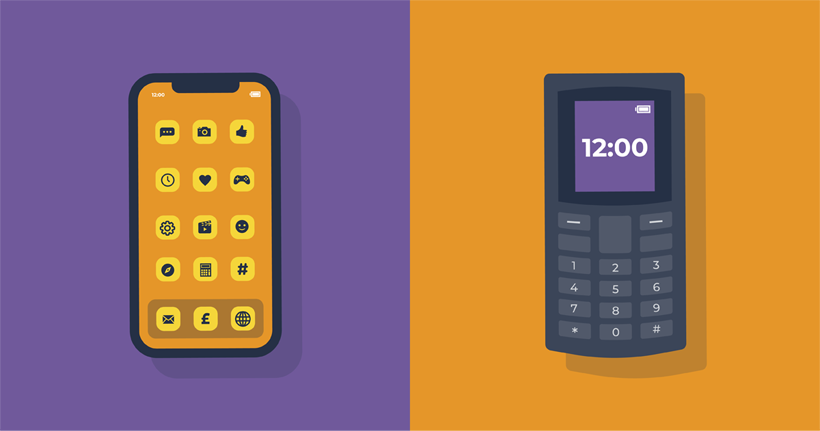
When comparing smartphone vs feature phone, several areas highlight their contrasts. Hardware is a big one: smartphones boast large touchscreens, multiple cameras, and fast processors, while feature phones use smaller displays and basic components. Software differs too, with smartphones offering app ecosystems and feature phones sticking to built-in tools. Price varies widely—smartphones can cost hundreds of dollars, but feature phones stay under $100 often. Battery life favors feature phones, and durability tends to be better in simpler designs. Let’s break these down further.
Hardware Comparison
Smartphones in 2025 feature high-end hardware like OLED screens with refresh rates up to 120Hz for smooth scrolling. They include chips from Qualcomm or Apple that handle gaming and AI tasks efficiently. Storage starts at 128GB, expandable in some models. Feature phones, on the other hand, have LCD screens around 2-3 inches, minimal storage for contacts and messages, and basic processors for calls only. Cameras on smartphones capture detailed photos with zoom capabilities, while feature phones offer low-megapixel sensors for simple snaps. This hardware gap means smartphones suit multimedia users, but feature phones win for portability and ease.
Software and Operating Systems
Smartphones run sophisticated OS like Android 16 or iOS 19, supporting thousands of apps from stores. Updates bring new features and security patches regularly. Feature phones use proprietary systems like KaiOS, which allow limited browsing but no app installations. This keeps things secure but restricts functionality. Smartphones integrate with cloud services for backups, while feature phones rely on local storage. For users needing customization, smartphones provide themes and widgets. Feature phones offer straightforward menus, ideal for quick access without confusion.
Battery Life and Charging
Battery life is a clear win for feature phones in the smartphone vs feature phone matchup. Models like the Nokia 110 can last up to a week on standby with 1000mAh batteries, thanks to low power demands. Smartphones, with their bright screens and app usage, often need daily charging even with 5000mAh capacities. Fast charging helps smartphones, reaching 50% in 30 minutes, but feature phones charge slower yet rarely need it. If you’re outdoors or traveling without outlets, a feature phone ensures you stay connected longer without worry.
Durability and Build Quality
Feature phones generally outlast smartphones in toughness. Their plastic bodies and lack of fragile glass screens make them drop-resistant. Many are rated for dust and water, like IP54 on some Nokias. Smartphones use premium materials like glass and metal, but they crack easily without cases. Repairs for smartphones cost more due to complex internals. Feature phones handle rough environments better, such as construction sites or kids’ hands. In 2025, some feature phones even include reinforced edges for extra protection.
Price and Value for Money
Price is a major factor in choosing smartphone vs feature phone. Entry-level smartphones start at $200-$300, with flagships over $1000. Feature phones range from $20 to $150, offering great value for basic needs. You get longevity without planned obsolescence in feature phones, as they don’t slow down over time. Smartphones depreciate quickly but provide more features per dollar for heavy users. Budget buyers find feature phones economical, especially in regions with limited income.
Features and Functionality
Functionality sets smartphones apart with apps for everything from fitness tracking to video editing. They support high-speed internet, video calls, and smart assistants like Siri. Feature phones stick to essentials: calls, texts, alarms, and maybe Bluetooth for headsets. No social media or games mean less distraction. In 2025, some feature phones add GPS or podcasts, bridging the gap slightly. For productivity, smartphones excel; for focus, feature phones shine.
Advantages and Disadvantages of Smartphones
Smartphones offer unmatched versatility, letting you manage life from one device. Access to apps means banking, shopping, and navigation at your fingertips. High-quality cameras replace dedicated ones for most people. Connectivity keeps you in touch via email, social networks, and video chats. In 2025, AI enhancements make tasks like photo editing automatic. However, constant notifications can lead to stress and reduced attention spans. High costs and frequent upgrades add financial strain. Privacy concerns arise from data collection by apps and services.
On the downside, smartphones drain batteries quickly with heavy use, requiring power banks for long days. They are prone to damage, needing protective cases and screens. Over-reliance can affect mental health, with studies showing increased anxiety from social media. Yet, for professionals, the ability to work remotely outweighs these issues. Customization options allow tailoring the experience to your preferences.
Advantages and Disadvantages of Feature Phones
Feature phones provide simplicity, helping users avoid digital overload. Long battery life means less worry about charging. Low prices make them accessible to everyone. Durability ensures they last years without issues. In 2025, they support basic detox from screens, improving focus and sleep. No apps mean fewer distractions, perfect for mindfulness. However, limited features restrict modern conveniences like ride-sharing or online payments. Poor cameras miss capturing moments well. Lack of internet limits information access on the go.
Cons include outdated interfaces that feel clunky compared to touchscreens. Compatibility with accessories is minimal. For emergencies, basic GPS in some models helps, but not as accurately as smartphones. Still, for calls and texts, they perform reliably without crashes or lags.
Also, explore more in-depth gadget reviews to find the right option.
Who Should Choose a Smartphone?
Tech enthusiasts thrive with smartphones, using advanced features for gaming, photography, and productivity. Professionals need them for emails, calendars, and collaboration tools. Students benefit from educational apps and research capabilities. In 2025, with 5G widespread, smartphones enable fast downloads and streaming. Families use them for sharing locations and photos instantly. If your daily routine involves multitasking or entertainment, a smartphone enhances efficiency. Budget isn’t a barrier with affordable options available.
Who Should Choose a Feature Phone?
Feature phones suit minimalists who want less screen time. Seniors appreciate the easy buttons and clear displays without complexity. Kids get safe communication without internet risks. Budget-conscious users save money while meeting basic needs. Travelers in remote areas value long battery and durability. In 2025, digital detox seekers switch to reduce stress. If calls and texts are your main use, a feature phone delivers without extras.
Current Market Trends in 2025
In 2025, smartphones hold over 80% market share globally, with sales reaching 1.6 billion units. Samsung leads with 20%, followed by Apple at 18%. Feature phones maintain a niche, especially in emerging markets like Africa and India, where affordability drives demand. Revenue for feature phones in the US is around $134 million, declining but steady. Trends show a rise in “dumbphones” for wellness, with models like Light Phone 3 gaining popularity. Smartphones focus on AI and foldables, while feature phones emphasize basics.
Environmental concerns push sustainable designs in both. Recycling programs grow, and brands like Nokia offer repairable feature phones. 5G integration in some feature phones blurs lines, but smartphones dominate innovation. Market data indicates feature phones ship about 200 million units yearly, serving low-income segments.
The Future of Mobile Phones
Looking ahead, smartphones will integrate more AI for personalized experiences. Foldables and AR features could become standard by 2030. Feature phones might evolve with better security for enterprise use. Hybrid devices could emerge, combining simplicity with select smart features. Sustainability will influence designs, using recycled materials. As privacy worries rise, feature phones may see a resurgence. Overall, choice depends on lifestyle, with both types coexisting.
Conclusion
In the smartphone vs feature phone debate, neither is universally better—it depends on your needs. Smartphones offer power and convenience for modern life, while feature phones provide peace and reliability. Consider your budget, usage, and priorities. In 2025, options abound for every user. Test both if possible, and choose what fits your daily routine best. This guide aims to help you decide wisely.